Buying into a rebuilding beach market can look like a once-in-a-decade opportunity. It can also feel complex, with new maps, new codes, and insurance rules that change the math. If Fort Myers Beach is calling your name, you want clear facts, not guesswork. In this guide, you’ll see the real risks and rewards, plus a practical plan to buy smart on the island. Let’s dive in.
Rebuilding at a glance
Hurricane Ian struck on September 28, 2022, and Fort Myers Beach entered a multiyear recovery. The Town opened permit channels, published owner guidance, and continues to process reconstruction work across the island. You can track current recovery resources and permitting links on the Town’s Hurricane Ian hub for owners and buyers considering a rebuild or major repair. Visit the Town’s Hurricane Ian Recovery Resources for current policies and forms.
The permitting workload has been heavy, and that affects timelines. Some properties still rely on temporary living arrangements while major work continues. The Town created processes to extend certain temporary placements in hardship cases, which matters if you plan to buy a home mid-project or stage a phased rebuild.
Large public projects are also underway. Dune and beach renourishment, pier and infrastructure plans, and grant-funded stormwater work aim to restore beach access, control erosion, and protect utilities. These efforts support long-term livability and can influence neighborhood appeal as they complete.
The upside: why buying now can pay
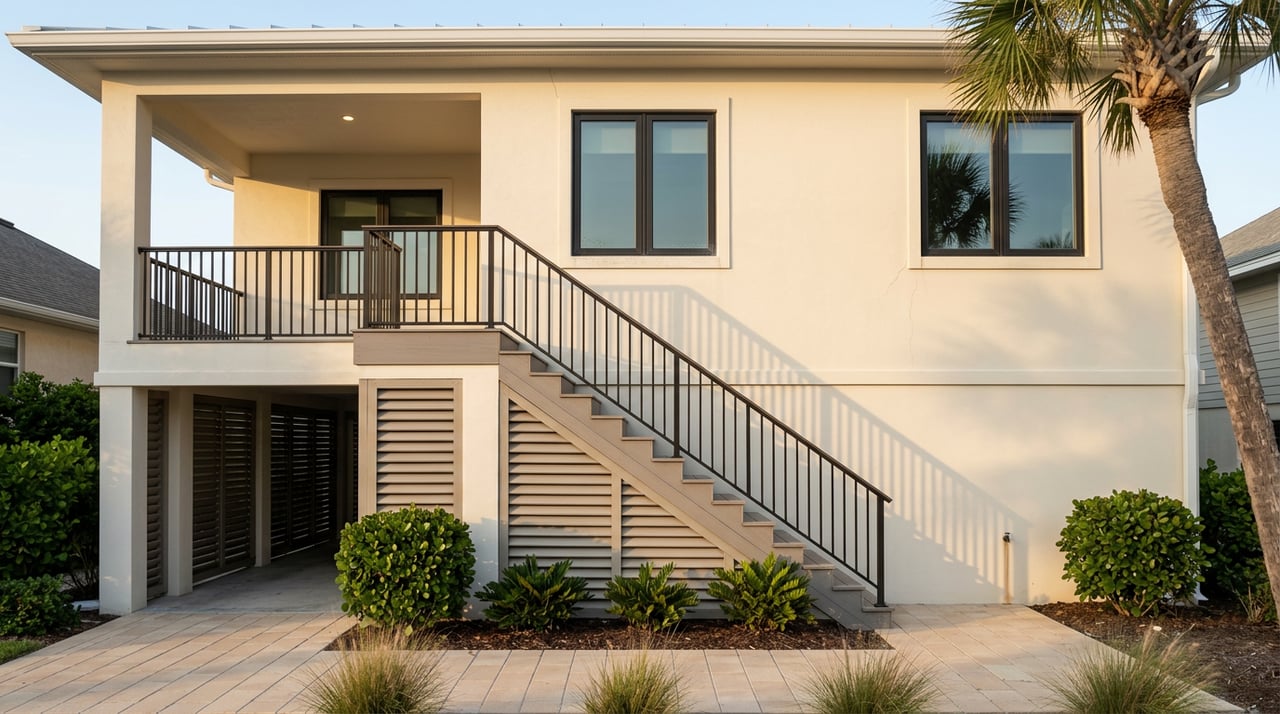
- Newer elevated homes and well-documented renovations are coming to market. Homes rebuilt to current code often deliver better insurability and lower long-run maintenance, which supports resale value.
- Inventory variety can create price spreads. Some older properties trade at a discount if you accept mitigation or renovation. If you have a clear plan and the right team, you can turn condition risk into value.
- A meaningful insurance milestone is on the horizon. Local reporting shows Fort Myers Beach regained a FEMA Community Rating System Class 5 standing that is expected to provide a 25% NFIP premium credit on qualifying policies beginning April 1, 2026. See coverage of the Town’s reported Class 5 CRS result and timing for details.
- Public beach work and infrastructure renewal add to the long-term story. As projects deliver, they tend to improve everyday experience for owners and guests.
The takeaway: opportunity exists, but the winning move is document-driven. You buy right by running the full due diligence playbook before you sign.
Risks you must underwrite
Flood and wave exposure. FEMA’s updated coastal maps added the Limit of Moderate Wave Action and Coastal A/VE distinctions. Properties seaward of the LiMWA face higher expected wave forces in a 1% event and typically require more robust foundations and enclosures. Start with the Town’s Flood Information page to learn what each zone means.
Insurance affordability and shocks. FEMA’s Risk Rating 2.0 prices flood insurance at the property level using elevation, distance to water, and replacement cost. Premiums can vary widely for similar homes. Get written quotes early from the NFIP and private carriers. Also review Florida’s Citizens rules, which phase in flood coverage requirements for policies with wind coverage. Read FEMA’s Risk Rating 2.0 overview and review Citizens’ flood coverage requirement schedule before you budget.
Lender rules. If any structure on the parcel is inside the Special Flood Hazard Area, a federally regulated lender will require flood insurance. Confirm your lender’s private flood acceptance, coverage limits, and deductible policies up front. See federal flood compliance guidance for what lenders must verify.
The 50% rule. If repair or improvement costs reach 50% or more of the structure’s pre-damage value, the work must meet current flood and elevation standards. That can force an elevation or full rebuild to current code. Review the Town’s Land Development Code chapter that covers substantial improvement and substantial damage.
Quality and documentation of repairs. Unpermitted or poorly documented post-storm work can create legal and insurability problems. Always pull the permit history and final inspection records. Use the Town’s Building Services portal to verify.
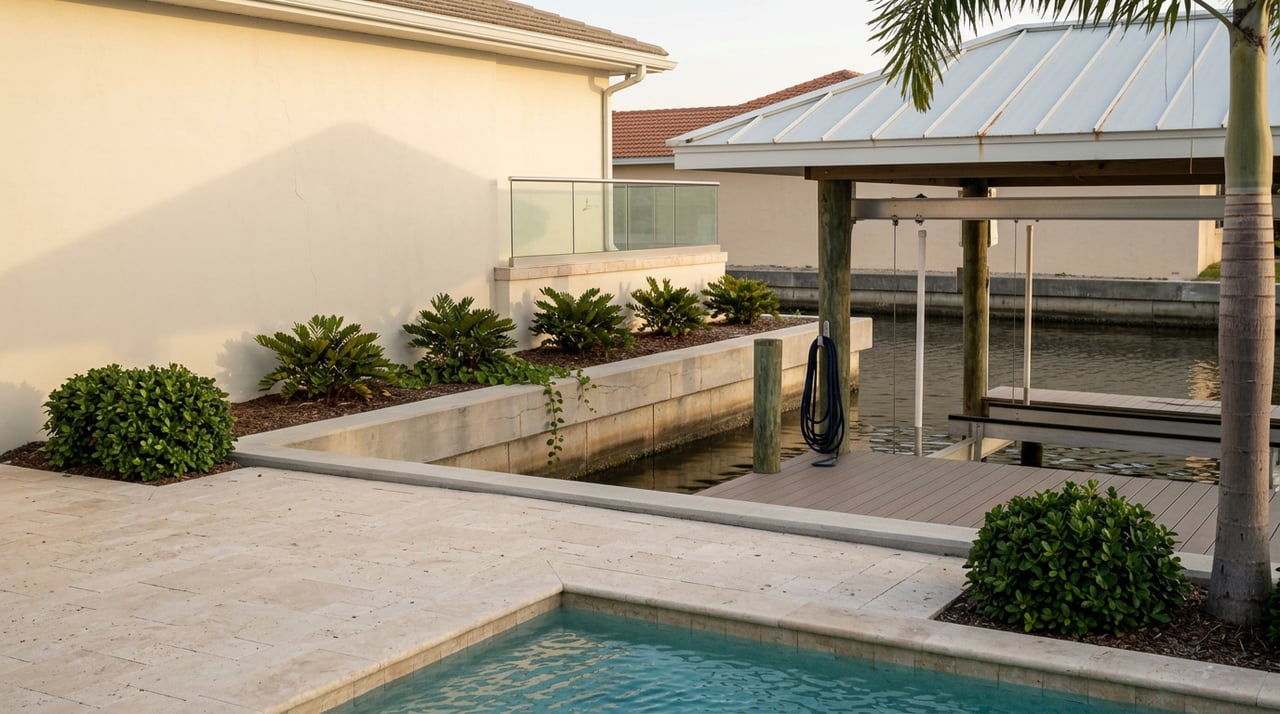
Shoreline structures and erosion. Beachfront and nearshore parcels may involve seawalls, revetments, or dune work that requires separate permits and maintenance. Confirm permits, responsibilities, and nearby shoreline history. This waterfront permitting guide explains typical approvals and obligations.
Association risk for condos. Master policy deductibles, reserve funding, and milestone inspection outcomes can drive special assessments after a storm. Review the master policy, reserve study, and recent claims before you commit.
What maps and codes mean for design and cost
FEMA’s coastal updates effective in late 2022 introduced Coastal A and Coastal AE zones and mapped the LiMWA line on Fort Myers Beach. In simple terms, the map shows where wave action is expected and at what intensity. The closer you are to the Gulf and the lower the elevation, the more your design and foundation choices matter.
In VE and many Coastal A areas, you should expect elevated living floors, open foundations like piles or columns, and breakaway walls on lower enclosures. Mechanical equipment placement, garage enclosures, and stair design also follow flood-resistant standards. Ask whether a property was built or rebuilt to the current code edition and request sealed engineering for structural elements where applicable.
On the insurance side, Risk Rating 2.0 uses property-specific data like first-floor elevation, distance to water, and replacement cost to calculate your flood premium. Two similar-looking homes can have different outcomes. That is why pre-quote diligence is not optional.
Your due diligence game plan
Use this checklist to move from interest to informed offer:
- Confirm the flood zone and map details
- Pull the parcel’s firm zone, Base Flood Elevation, and the LiMWA or VE status. Lee County’s flood portal provides map tools and contacts if you need official letters.
- Get an Elevation Certificate or recent as-built survey
- This shows how your first floor compares to BFE and can reduce premiums or support map amendments. If one does not exist, plan to order one from a licensed surveyor.
- Verify permits and final inspections
- Ask the seller for the full permit history, contractor list, and close-out documents. Then confirm them on the Town’s Building Services portal.
- Order specialized inspections
- Beyond a general home inspection, consider a structural engineer for foundations and piles, a wind mitigation inspection to document discounts, and mold, electrical, and mechanical checks focused on moisture and salt-air exposure.
- Secure insurance pre-quotes
- Request NFIP and two to three private flood quotes, plus homeowner’s or wind coverage where needed. Ask for sample forms and deductible schedules. Review Citizens’ flood coverage requirement schedule if you may rely on Citizens for wind.
- Check lender requirements early
- Confirm if the lender will accept private flood, how they treat hurricane deductibles, and whether they need reserve or association documents for condos. Federal flood rules will apply if any improvement sits in the SFHA.
- Review condo or HOA documents
- For condos and some townhomes, get the master policy declarations, reserve study, recent assessments, and any milestone inspection reports. Make sure your HO-6 policy can address loss assessment exposure if needed.
- Ask about mitigation grants and timing
- Florida’s Elevate Florida program offers funding for elevation, mitigation reconstruction, and wind hardening. Applications are periodic and competitive. Check current program status and outreach notices for timelines.
- Ask about repetitive-loss history and community credits
- Check with local floodplain staff for any repetitive-loss designation and confirm the Town’s CRS class for premium credits. This can affect your long-run insurance costs.
- Verify shoreline permits and future beach work
- For Gulf-front or nearshore lots, confirm seawall or dune permits, any shared maintenance, and scheduled renourishment in the area before you plan improvements.
How to frame value and negotiate
- Compare like with like. Adjust comps for elevation, structural system, and documented code compliance. A rebuilt elevated home with full permits and inspections often merits a premium.
- Price the total cost of ownership. Add realistic flood and wind premiums, deductible exposure, and any association assessments to your mortgage and tax estimates.
- Put documents at the center of your offer. Make inspection and insurance contingencies specific. Require permit close-outs or escrow for open permits and unpermitted work.
- Use timeline as leverage. If a seller needs time for final inspections or work, you can negotiate concessions. Clear milestones reduce surprises for both sides.
Ready to evaluate a short list or want help pressure-testing insurance and code details before you write an offer? Reach out to Michael Kussmann for local, remodeling-informed guidance from search to closing.
Local resources
- Town of Fort Myers Beach Hurricane Ian resources and permit links. See the Town’s Hurricane Ian Recovery Resources page.
- Flood zones, LiMWA, and map lookups. Start with the Town’s Flood Information page.
- NFIP Risk Rating 2.0 overview and FAQs. Read FEMA’s Risk Rating 2.0 overview.
- Citizens Property Insurance flood coverage rules. Review Citizens’ flood coverage requirement schedule.
- Lender flood insurance rules. See federal flood compliance guidance.
- Permit records and close-outs. Use the Town’s Building Services portal.
- Waterfront and shoreline permits. Consult this waterfront permitting guide.
- Lee County flood portal for map letters. Visit Lee County’s flood portal.
- Elevate Florida mitigation program. See current Elevate Florida program notices.
FAQs
What do VE, Coastal A, and LiMWA mean for buyers on Fort Myers Beach?
- They identify where wave action and surge are expected during a base flood. Coastal A and areas seaward of the LiMWA often require stronger foundations and elevated living floors, which affect design and insurance.
How do I estimate flood insurance before I make an offer?
- Ask for the Elevation Certificate and order NFIP and private flood pre-quotes using the home’s elevation, distance to water, and replacement cost. Price wind coverage and hurricane deductibles at the same time.
What documents should I request from a seller post-storm?
- Full permit history, final inspections or COs, contractor invoices, engineering letters for structural elements, and any elevation or survey data. For condos, add the master policy, reserve study, and recent assessments.
How does the 50% rule affect a fixer-upper on the island?
- If improvements reach 50% or more of the structure’s pre-damage market value, the work must meet current flood and elevation standards. That can shift a repair into an elevate-or-rebuild project.
Are there grants to help with elevation or wind mitigation on Fort Myers Beach?
- Florida’s Elevate Florida program offers funding for elevation, mitigation reconstruction, and wind hardening when application windows are open. Check current eligibility and timing before you budget.