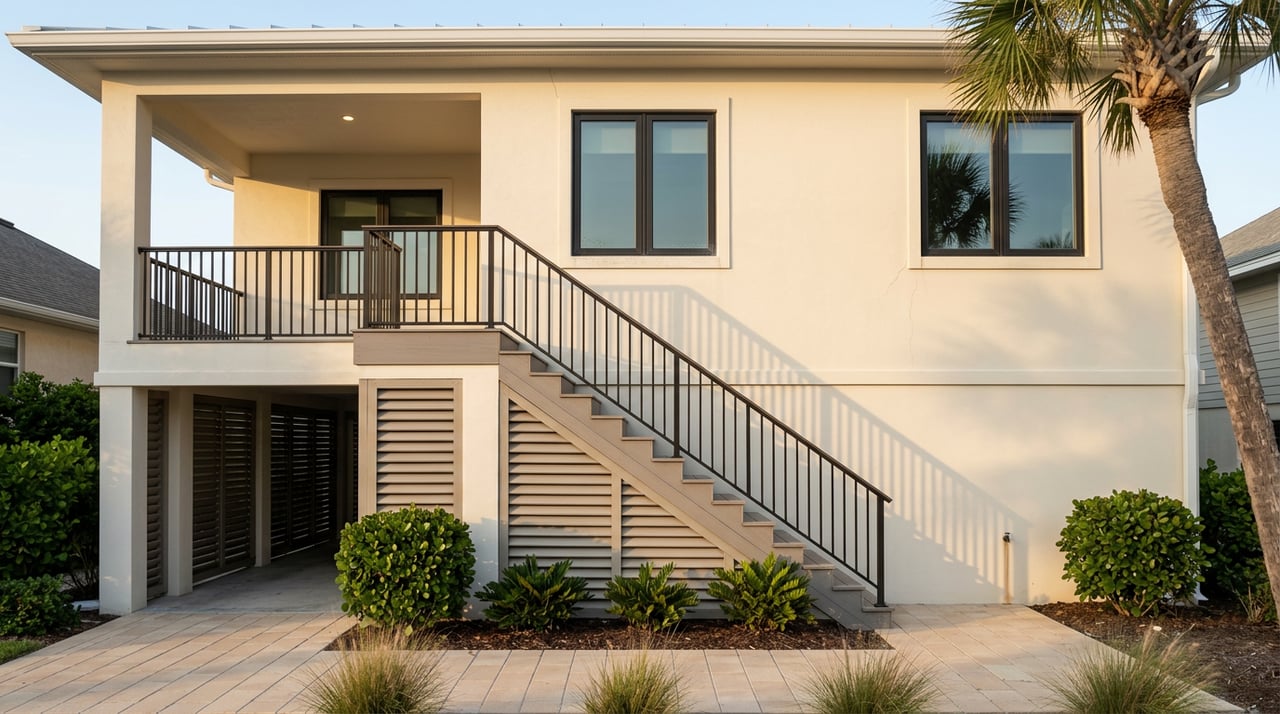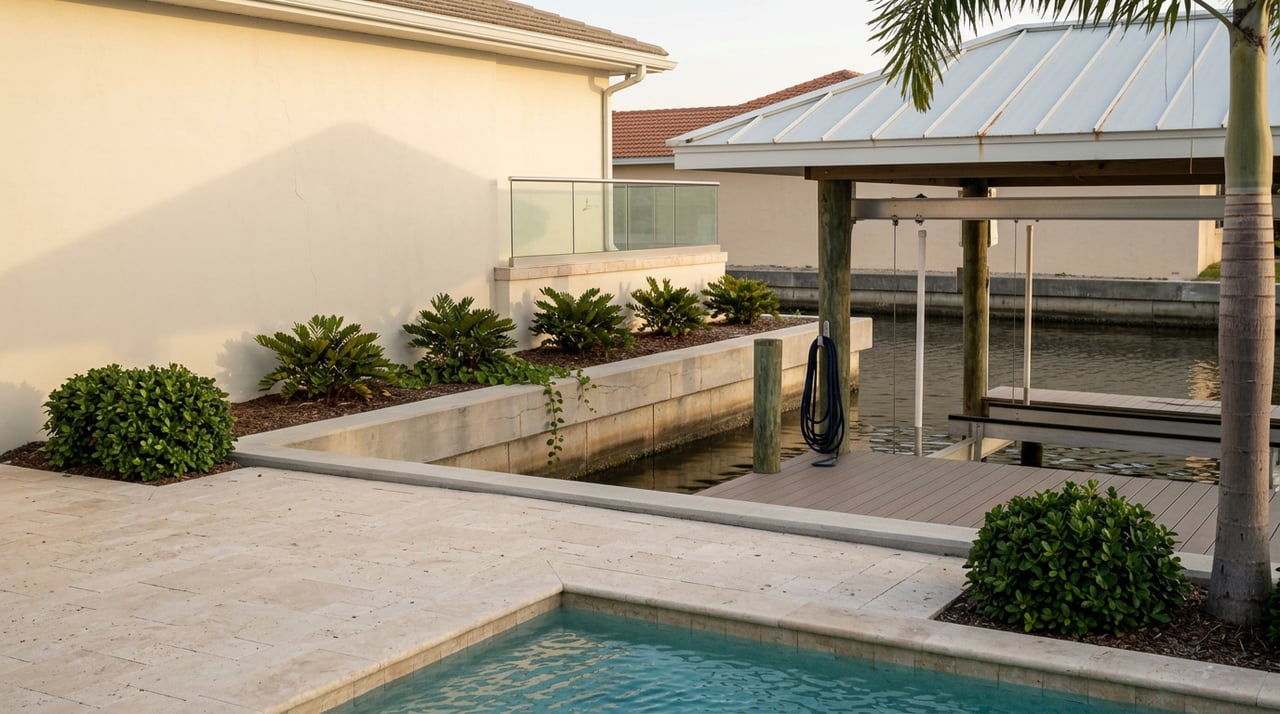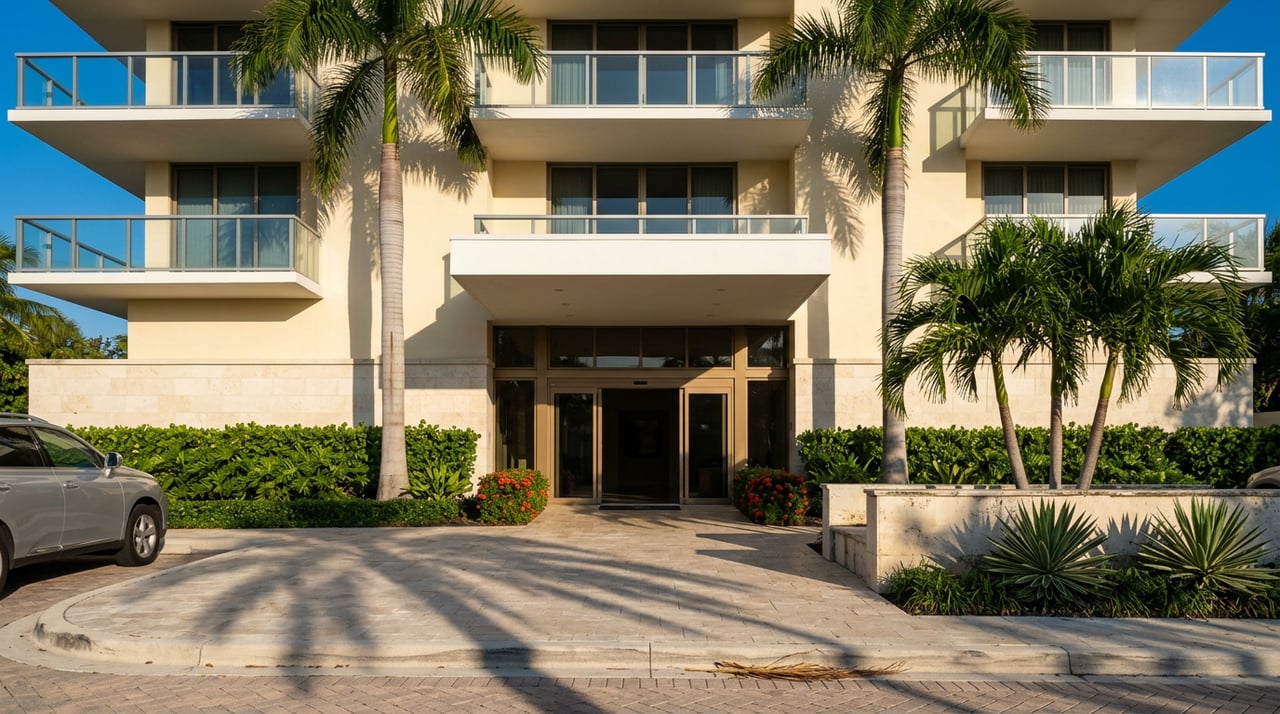
Trying to choose between a Marco Island condo and a single-family home for your second home can feel like comparing two great versions of the same dream. You want sun, water, and easy living without surprises when you are away. In this guide, you will see how the two options stack up on price, monthly costs, upkeep, insurance, rental flexibility, and access to beaches and boating so you can pick what truly fits your lifestyle. Let’s dive in.
Market picture: what buyers pay
Marco Island is a premium barrier-island market with higher single-family prices than most condos. The local association’s recent snapshot shows a single-family median near 1.6 million dollars and a condo median commonly in the 615,000 to 758,000 dollar range depending on the month. You can view current medians by property type in the Marco Island Area Association of REALTORS monthly reports and graphics. See the latest MIAR market graphic and the MIAR stats page for ongoing updates.
Typical price tiers on the island:
- Condos, interior to mid-range: roughly 300,000 to 800,000 dollars, with many gulf-view and canal-area condos falling between 600,000 and 1 million dollars.
- Condos, beachfront and luxury: often 800,000 to 3 million dollars or more for larger units with full resort amenities.
- Single-family homes, interior or canal: commonly 800,000 to 2 million dollars.
- Single-family homes, waterfront with direct Gulf access: often 1.5 to 4 million dollars or more.
Key takeaway: single-family homes tend to cost more than condos on Marco Island, but gulf-front condos can command prices similar to, or above, some inland single-family homes.
Monthly dues and ongoing costs
Condo dues: what to expect
Monthly condo or master association dues vary widely by building age, amenities, and insurance or reserve needs. On Marco Island, observed examples range from under 700 dollars per month to about 1,300 to 1,900 dollars in amenity-rich buildings, with some luxury gulf-front towers above 2,000 dollars. What you get for that typically includes exterior and building insurance under the master policy, common-area upkeep such as roof, elevators, pool, and landscaping, reserves, some utilities like water and trash, and professional management. Unit owners still carry an HO-6 policy that covers interiors, improvements, and personal property. Florida condominium law outlines these responsibilities, budgets, and disclosures. Review Florida Statute 718.111 for the framework.
Single-family fees and assessments
Many single-family homes on Marco Island have minimal or no HOA dues. When a house is in a community association, fees are usually lower than high-amenity condo towers and often cover gates, shared landscaping, or small amenity centers. If the home is waterfront, verify any separate seawall or dock association costs and whether special assessments apply.
Upkeep and legal responsibilities
Who handles what
- Condominiums: The association maintains and insures common elements and many building systems. You handle interiors and upgrades within the unit. Always request the declaration, bylaws, budget, reserve study, insurance policy, and recent meeting minutes during due diligence. See Florida Statute 718 for association powers and duties.
- Single-family homes: You typically maintain the structure, roof, yard, and any private dock or seawall. HOAs, where present, handle shared roads or amenities per their governing documents. See Florida Statute 720 for HOA duties.
Insurance and flood exposure
Marco Island’s coastal location means elevated wind and flood risk. Expect wind or hurricane coverage and, where applicable, separate flood insurance to be a meaningful line item. Collier County ranks among the higher-cost areas in Florida for property insurance, and premiums can vary with building age, mitigation features, and exact flood zone. For context on market conditions, review updates on Florida’s insurance environment. Read a recent insurance market overview for Collier County.
Be sure to check the property’s FEMA flood zone and any recent or pending map changes that could affect requirements or premiums. Federal Register notices document FEMA map revisions. Your lender and insurance broker can provide precise guidance for your lot or unit.
Rental flexibility and taxes
State licensing rules
If you plan to rent your second home to the public, Florida licensing may apply. As a general rule, if you rent an entire unit more than three times per year for periods under 30 days, or hold it out as regularly rented, you typically need a state vacation rental license through the Division of Hotels and Restaurants. Start with the DBPR guidance.
City and county requirements
Marco Island’s local short-term rental rules have been in active debate and subject to legal and state preemption questions. The practical result is that local rules have been fluid. Always confirm the current code and any city registration or inspection steps with the City of Marco Island before you assume anything. Collier County’s short-term registration program applies to unincorporated areas, which is separate from properties inside city limits. For a legal roundup and contacts, see this local overview and verify directly with the city and county offices. Review the Marco Island legal summary.
If you rent short term, you are also responsible for taxes. Collier County collects a Tourist Development Tax that has been 5 percent. There was discussion of a possible 1 percent increase on the 2026 ballot to fund county projects. Always confirm the current rate and registration steps with the Collier County Tax Collector.
Association rental rules
Even if state and local rules allow short-term rentals, your association may not. Many Marco Island condos and some neighborhoods set minimum rental periods such as 7 or 30 days, cap the number of leases per year, or restrict weekly rentals entirely. Check the declaration, rules, and recent minutes for clarity. Florida statute requires disclosure of association documents to prospective purchasers. See the core condo statute to understand how associations govern rentals and building policies.
Revenue potential and operating costs
Market analytics show strong seasonal demand for short-term rentals on Marco Island. One source reports an average daily rate in the mid-300 dollars and median occupancy near the low-60 percent range on an annualized basis. Performance is highly seasonal, with winter as peak. See the Marco Island STR revenue overview.
If you plan to hire a professional manager, budget carefully. Full-service vacation rental managers in beach markets often charge about 25 to 40 percent of gross rental revenue, depending on services. Add cleaning, utilities, platform fees, repairs, and any HOA rental application costs to your pro forma. Review typical property management fees.
Condos that allow weekly rentals and sit near the beach can be simpler to place in a managed program and lock and leave. Houses may deliver strong rates and flexibility but can involve more day-to-day oversight and higher carrying costs.
Beaches and boating access
Public beach access points
Marco Island has two main public beach entries: Tigertail Beach Park on the northwest side and South Marco Beach at the south end. Proximity to these access points often influences lifestyle and rental appeal. Parking is managed and may be limited during peak season. Get a beach access and parking primer.
Marinas, docks, and slips
Rose Marina is a central hub for boat rentals, charters, and marine services. Across the island and nearby Goodland, you will find additional marinas and private dock options. Some condos include deeded slips or offer leased slips through a managed program. Private homes with docks offer control and convenience but require ongoing seawall, lift, and maintenance attention. Always verify slip entitlement, seawall condition, permitted lift size, and any marina waiting lists before you buy. Check local marina and waterway resources.
When you see the phrase direct Gulf access, confirm the details that matter for your boat: channel depth, bridge clearances, no-wake segments, and typical transit time.
Which fits your second-home goals
Choose a condo if you want:
- A lock-and-leave lifestyle with building management and on-site amenities.
- Lower hands-on maintenance, with exterior and common areas handled by the association.
- Potential weekly rental programs if the association allows them.
- Predictable exterior costs contained within the master budget, while accepting higher dues and possible special assessments.
Choose a single-family home if you want:
- Private outdoor space, a yard, and the ability to customize.
- A deeded dock or the ability to build or enlarge one, subject to permits.
- Lower or no HOA dues in many cases.
- More control over upgrades that may help with insurance discounts, such as impact windows or a newer roof, while accepting responsibility for all upkeep and often higher insurance and flood costs.
Due-diligence checklist for Marco Island buyers
Use this quick plan to make a confident choice:
- Pull the latest MIAR stats for current medians by property type and month. Access MIAR reports.
- Confirm FEMA flood zone and any recent or pending map changes. Ask your insurance broker for wind and flood quotes tailored to the address. See recent FEMA map notices.
- Request association documents: declaration, bylaws, budget, reserve study, insurance policy, minutes, and all rental rules. Understand condo association responsibilities.
- Verify whether your intended rental activity needs a Florida DBPR license. Then confirm current City of Marco Island code and any Collier County tax registration requirements. Start with DBPR and this local legal overview.
- For waterfront properties, verify dock entitlement, seawall condition, permitted lift size, and dredging or shoaling history. Ask about marina waiting lists. Use local waterway resources.
- For rental modeling, run a data-backed pro forma using comparable properties. Factor in seasonal occupancy, management commission of about 25 to 40 percent, cleaning, utilities, platform fees, and any HOA rental costs. Review market-level STR performance indicators.
Ready to compare real properties and see what fits your lifestyle and budget on Marco Island? Get hands-on, local guidance from a professional who understands both the numbers and the day-to-day of second-home ownership. Reach out to Michael Kussmann to explore the best condo and single-family options for your goals.
FAQs
What is the typical price difference on Marco Island?
- Recent local data shows a single-family median near 1.6 million dollars and a condo median around the mid-600s to mid-700s, depending on the month. See MIAR stats.
How much are Marco Island condo dues each month?
- Dues vary widely by building and amenities, from under 700 dollars to about 1,300 to 1,900 dollars, with some luxury towers above 2,000 dollars. Always review the budget, reserves, and insurance.
Do I need a state license to rent my second home?
- If you rent more than three times per year for periods under 30 days, or hold the unit out for regular transient rental, Florida typically requires a DBPR vacation rental license. Check DBPR guidance.
Are weekly rentals allowed in most Marco Island condos?
- Not always. Many associations set minimum stays such as 7 or 30 days and limit leases per year. Confirm the exact rental policy in the condo declaration, rules, and minutes.
How big a factor is flood and wind insurance on the island?
- It is significant. Marco Island is a barrier island with elevated wind and flood risk, and Collier County is among the higher-cost areas for property insurance. Get property-specific quotes early.
Where are the public beach access points?
- Tigertail Beach Park on the northwest side and South Marco Beach at the south end are the two primary public access points. Parking can be limited in season. Learn about beach access.
What should I verify for a waterfront home or condo slip?
- Confirm deeded or leased slip rights, seawall condition, permitted lift size, channel depth, bridge clearances, and any marina waiting lists. Use local waterway resources.