Water views or lower costs. That is the core choice most Naples buyers face. You want the right lifestyle without surprises, and you do not want to overpay for insurance, HOA dues, or maintenance you did not expect. In this guide, you will learn the key differences between waterfront and inland homes in Naples, how new flood maps and insurance rules affect budgets, and a step-by-step way to choose your best fit. Let’s dive in.
Waterfront vs. inland: quick overview
Waterfront living gives you direct access to boating, daily water views, and quick proximity to beaches and marinas. You will likely trade that for higher purchase prices, more complex insurance, and added upkeep. Inland homes often cost less to buy and maintain, with simpler insurance and broader resale appeal across price points. Your best option depends on how you balance lifestyle with total monthly and long-term costs.
What drives price in Naples
Naples and greater Collier County are high-price coastal markets, with recent median listing prices in the mid six figures. Within Naples, values vary a lot by neighborhood, water type, and property style. Gulf-front estates and deep-water canal properties can sell for many multiples of inland homes, while mid-market inland neighborhoods remain more attainable. Always compare like-for-like within the same submarket to understand the true premium for water access, dock rights, lot size, and view.
Waterfront also carries different resale dynamics. High-end waterfront has strong top-end ceilings but a smaller buyer pool. When insurance or flood headlines hit, some buyers pause, which can affect days on market. Inland areas tend to have broader demand and more predictable carrying costs, which can support steadier resale in some cycles.
Insurance and flood risk basics
Collier County adopted updated coastal Flood Insurance Rate Maps on February 8, 2024. These new effective maps can move a parcel into or out of a Special Flood Hazard Area. Before you fall in love with a home, check the exact address on the county’s 2024 coastal flood map resource to confirm current flood zones and panel details.
FEMA now prices NFIP flood insurance using Risk Rating 2.0, which bases premiums on property-specific factors like elevation, distance to water, and construction details rather than zone alone. Learn more about how the system works from FEMA’s overview of Risk Rating 2.0. Independent analyses show that risk-based pricing has raised premiums for many high-exposure Florida coastal properties, including Collier addresses in certain zones. To understand your budget, review a data-driven summary of impacts and why quotes can jump for some parcels in this University of Florida analysis.
Homeowner insurance also differs from inland U.S. markets. Florida’s state regulator tracks admitted-market averages and county variation. Use the Florida Office of Insurance Regulation’s market overview as context, then get quotes for the specific home you are considering. Expect higher premiums for coastal exposure and higher rebuild costs, especially on waterfront.
Two practical notes many buyers miss: NFIP policies typically exclude seawalls, docks, boat lifts, and similar marine structures. Review FEMA’s guidance on what NFIP does not cover, and budget for out-of-pocket or private specialty coverage if needed. Also, be sure to request an elevation certificate and prior flood claim history during due diligence.
HOA, condos, and new rules
Condo and HOA fees in Naples vary widely. What matters most today is the building’s age, structural history, and reserve funding. After the Surfside tragedy, Florida enacted milestone inspections and Structural Integrity Reserve Study requirements. These can increase dues or trigger special assessments, especially for older coastal towers that need repairs. For background on these requirements and recent legislative updates, start with this summary of Florida condo safety and reserve laws.
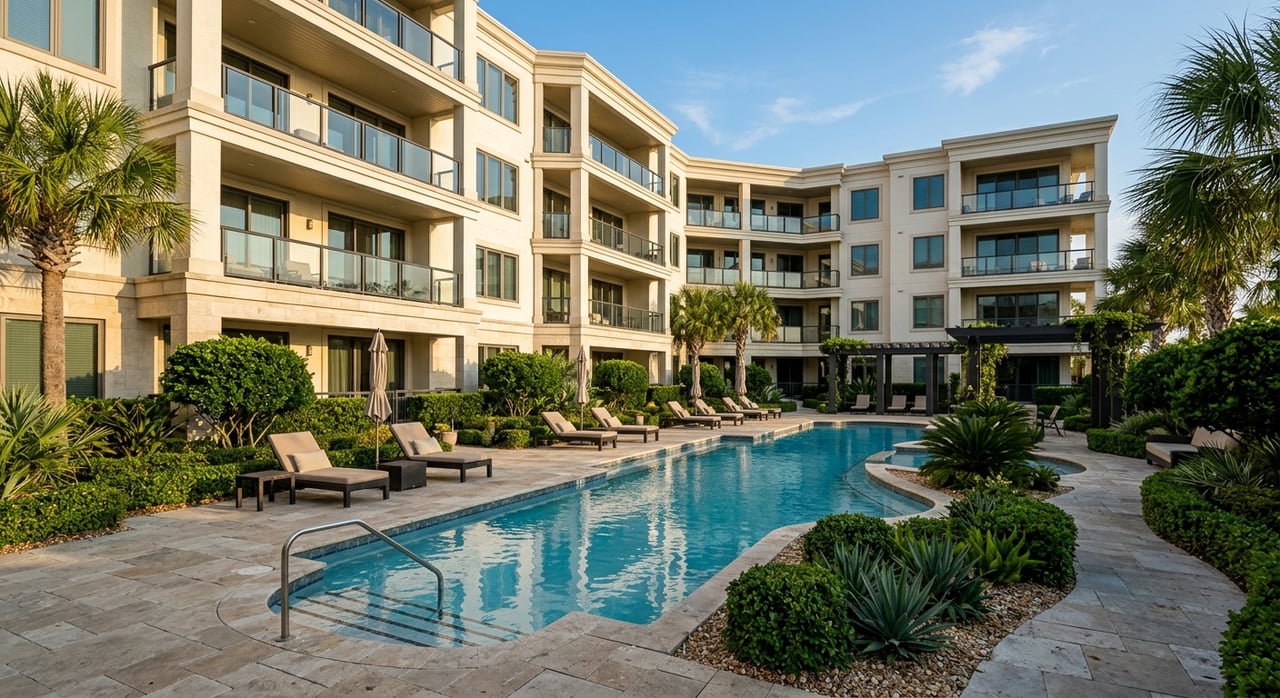
If you are eyeing a beachfront or bayfront condo, make the association’s budget, reserve study, milestone inspection reports, and recent meeting minutes part of your review. For single-family waterfront, check HOA rules on docks, lifts, seawall standards, and exterior finishes, since marine conditions can drive stricter rules and maintenance expectations.
Maintenance and hidden costs
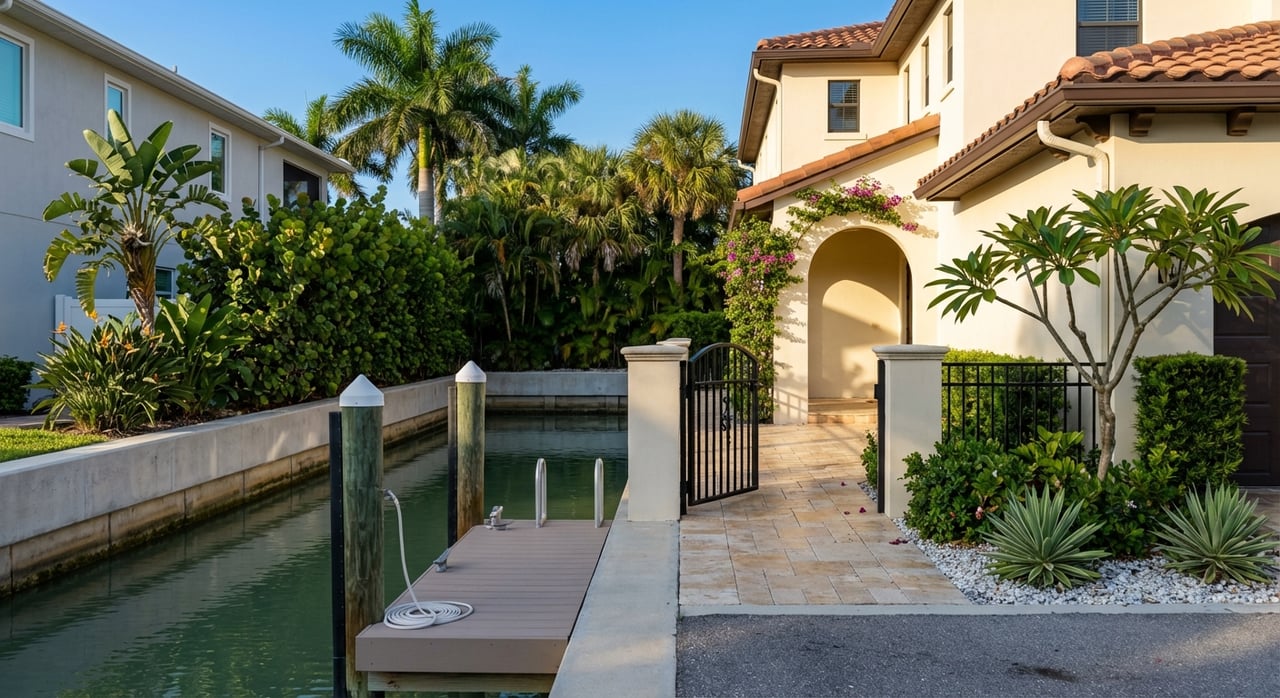
Waterfront ownership includes marine infrastructure to inspect, service, and eventually replace. Seawall and dock work can be significant. Local contractor guidance shows that major restoration or replacement often runs roughly 400 to 1,200 dollars or more per linear foot, depending on access, engineering, and site conditions. For planning numbers and variables to watch, review this seawall cost overview.
Salt air accelerates corrosion and wear on metal fixtures, railings, sliding door hardware, HVAC condensers, and exterior paint. Expect more frequent exterior maintenance, higher-grade materials, and shorter service cycles near open water. Inland homes of similar size and finish usually follow more typical maintenance schedules.
Property taxes are set locally by the Collier County Property Appraiser. Higher-value waterfront parcels generally carry higher taxes. If the home will be your primary residence, Florida’s homestead and Save-Our-Homes protections can materially affect your long-term tax bill. To estimate and verify assessments, consult the Collier County Property Appraiser.
Lifestyle and daily living
If you prize boating, sunsets, and sand-in-your-toes proximity, waterfront is hard to beat. Many Naples waterfront neighborhoods emphasize private docks and quick access to the Gulf, which can reshape your daily routine. The tradeoff is more hands-on home care and stricter elevation or construction rules in certain zones.
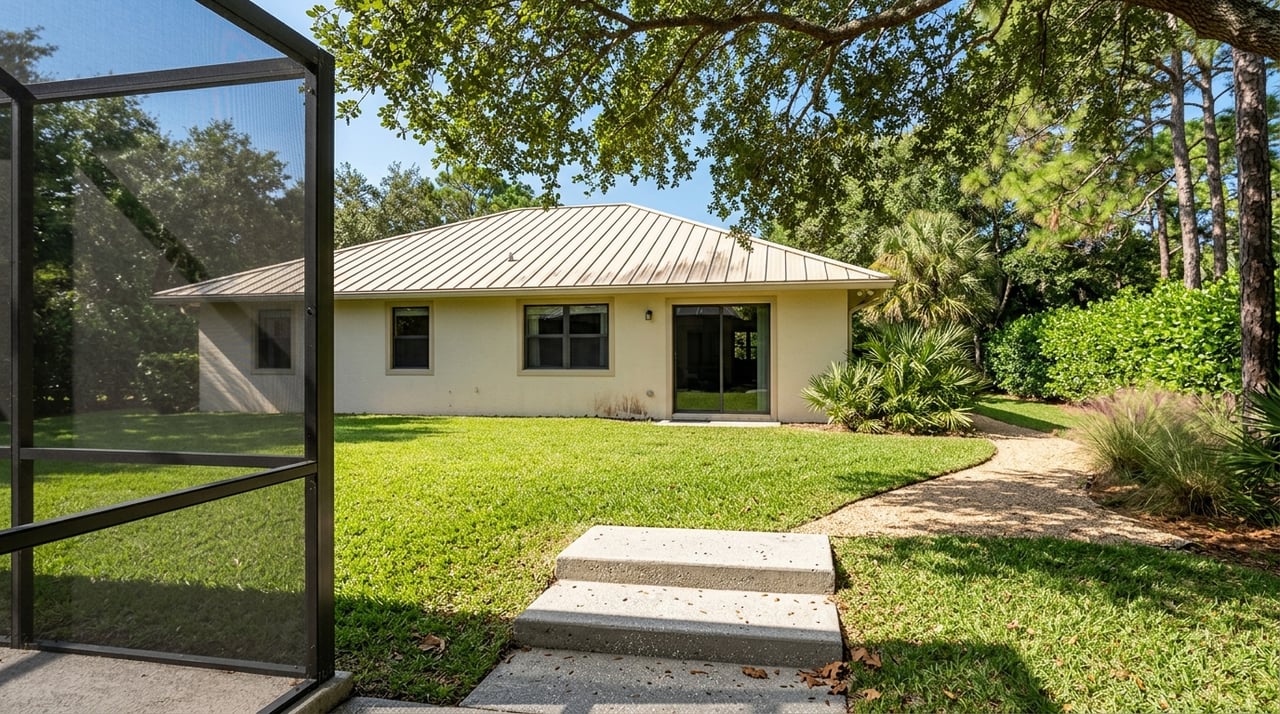
Inland living brings a calmer maintenance profile, simpler insurance, and often more land for the price. You can still be a short drive to beaches, dining, and golf, with less exposure to salt air. Keep in mind that heavy seasonal rains can still cause localized flooding. Always check the latest flood maps even if a home sits away from open water.
Decision checklist for Naples buyers
- Define your priorities. Decide if daily water access or views are non-negotiable, and set a maximum total monthly cost that includes mortgage, homeowners insurance, flood insurance, HOA or condo dues, and an annual maintenance allowance.
- Confirm flood zones early. Map each address on Collier County’s coastal flood map page. If the home sits in a Special Flood Hazard Area, obtain flood quotes right away.
- Request key documents. Ask for the elevation certificate, any prior flood or insurance claims, and all permits and service records for seawalls, docks, and lifts. Remember that standard NFIP coverage excludes these structures. FEMA outlines those exclusions here.
- For condos, review structural health. Obtain the association’s budget, reserve study, milestone inspection reports, and minutes. Florida’s updated condo laws, summarized here, can change affordability.
- Get insurance quotes for the exact home. Use the OIR’s market overview to understand statewide context, then confirm parcel-specific wind and flood premiums. Also see FEMA’s summary of Risk Rating 2.0 to understand how location and elevation factor into pricing.
- Verify rental rules. If rental income is part of your plan, review city and HOA rules. Properties in unincorporated Collier need to register short-term rentals. Start with the county’s short-term rental registration page and verify any city or HOA restrictions.
- Bring in specialists as needed. Consider a coastal engineer for seawalls and docks, an HVAC specialist for salt-exposed systems, and, for older towers, a structural engineer. Target your inspections to the home’s most vulnerable elements.
Which option fits you best
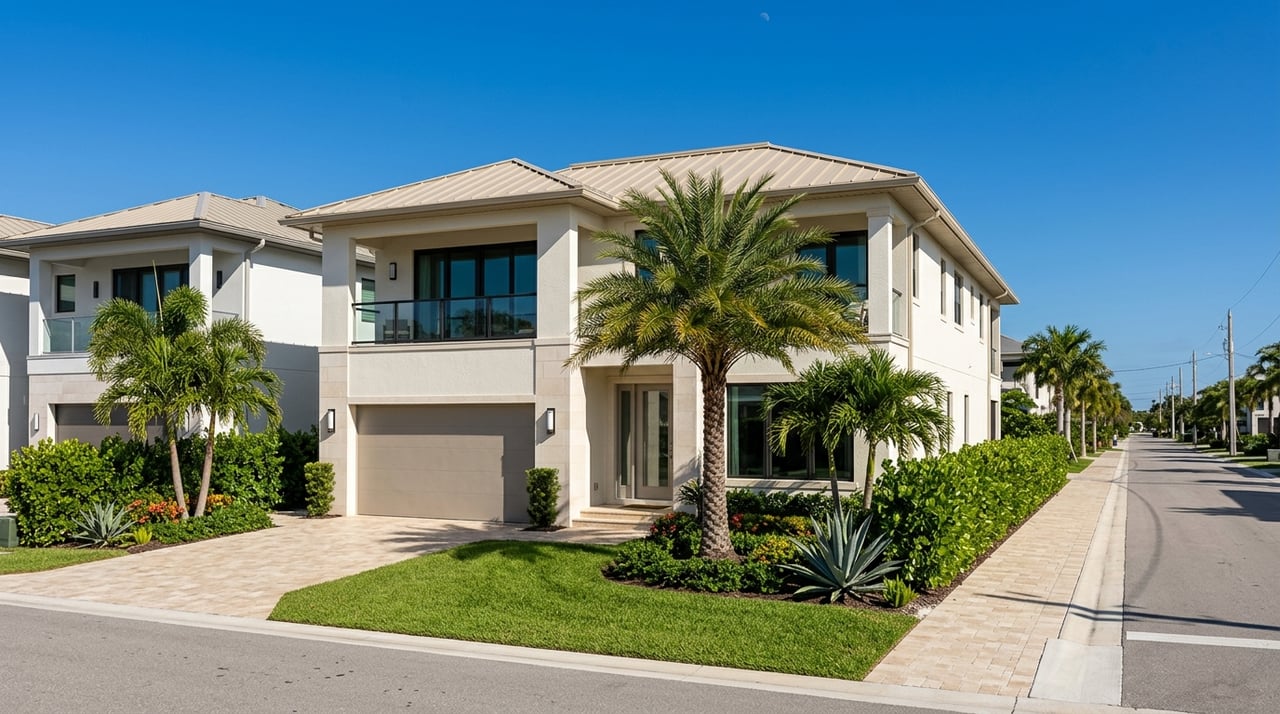
Choose waterfront if you want immersive coastal living and are comfortable with higher up-front and ongoing costs, plus more active maintenance. Choose inland if you value simpler budgeting, broader neighborhood options, and less exposure to wind and flood risk. Many buyers split the difference by targeting protected canal or bay locations with shorter boating runs rather than open Gulf frontage, or by choosing newer inland construction with modern wind codes.
Whichever path you take, align the dream with the dollars. Price, insurance, association rules, and maintenance all matter as much as the view. If you work through the steps above and keep your must-haves clear, you will land on a home that matches your lifestyle and your long-term plan.
If you want local guidance and renovation-informed advice as you compare options, connect with Michael Kussmann. You will get hands-on support, clear numbers, and a plan to move forward with confidence.
FAQs
What costs do Naples waterfront buyers often overlook?
- Seawall and dock work, which can run hundreds to over a thousand dollars per linear foot, plus higher exterior maintenance and potential specialty insurance for marine structures.
How do Collier County’s 2024 flood maps affect my search?
- The updated FIRMs can shift a property into or out of a Special Flood Hazard Area, so always check the parcel on the county’s coastal flood map page before making an offer.
What is FEMA’s Risk Rating 2.0 and why does it matter?
- It sets NFIP premiums based on property-specific risk factors like elevation and distance to water, which can raise or lower flood insurance costs compared with the old zone-based approach.
Are seawalls and docks covered by flood insurance in Naples?
- Standard NFIP policies typically exclude seawalls, docks, boat lifts, and similar marine structures, so plan for out-of-pocket costs or explore private specialty coverage options.
How have Florida’s condo safety laws changed costs for buyers?
- Milestone inspections and reserve studies can increase dues or trigger special assessments, especially for older coastal towers, so review association budgets and reports carefully.
What should I check before planning short-term rentals?
- Confirm city and HOA rules and, for unincorporated Collier properties, review the county’s short-term rental registration requirements.
How do property taxes compare for waterfront and inland homes?
- Taxes reflect assessed value and local millage, so higher-value waterfront parcels usually pay more; check the Collier County Property Appraiser for parcel-level details and homestead benefits.