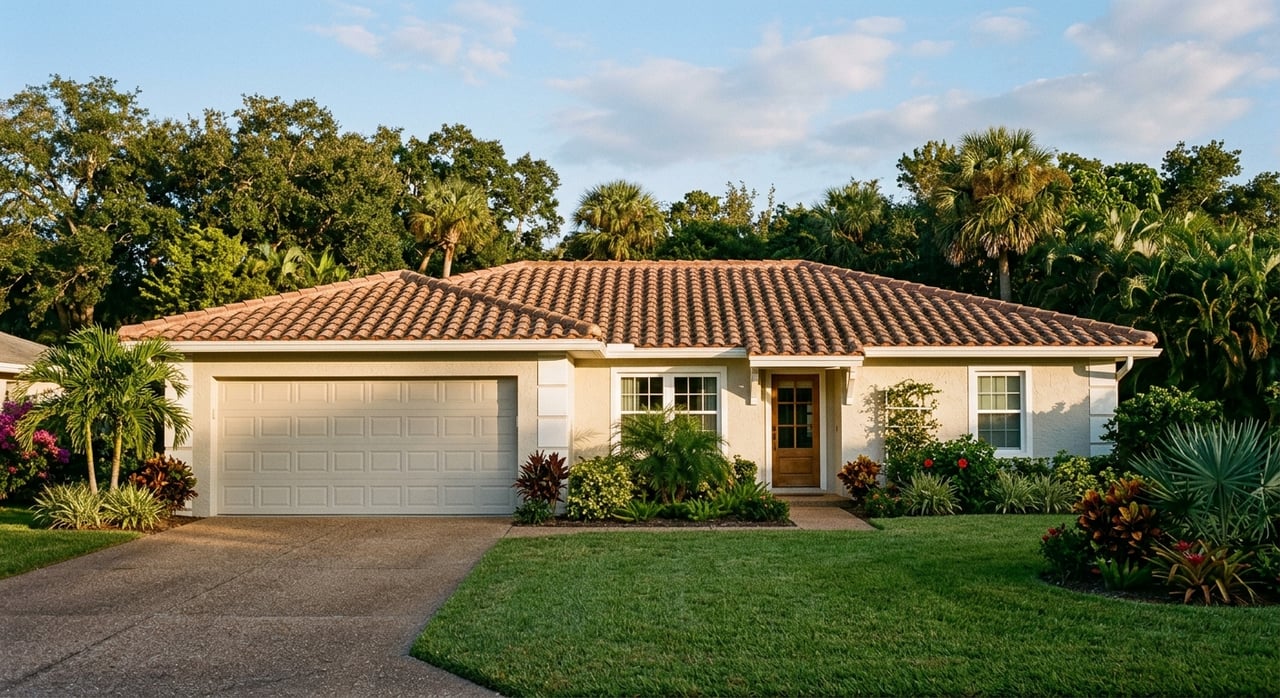
Looking for a home in Golden Gate that has potential instead of a premium price tag? You are not alone. If you are open to a little work, this market can offer a practical path to homeownership near Naples, especially when you know how to spot the right updates and avoid the wrong surprises. Let’s dive in.
Why Golden Gate appeals to fixer-upper buyers
Golden Gate is a 3.9-square-mile community in Collier County with 29,234 residents and 8,530 housing units. Single-unit structures make up 54% of the housing stock, and the median value of owner-occupied homes is $409,700. That is meaningfully below the Naples-Marco Island metro median of $540,700, which helps explain why buyers often look here for more attainable options.
Recent market snapshots also support that value-oriented appeal. In one current Redfin snapshot, there were 14 homes for sale under $600,000, and the median days on market was about 45 days. For buyers who want a home they can improve over time, that combination can make Golden Gate worth a close look.
Older homes create renovation opportunity
Golden Gate City was platted for development in the 1960s, so many homes in the area are older than properties in newer Naples-area subdivisions. Current local listings also show homes built in 1986 and 1998, which reinforces a simple point: you are often shopping older housing stock here, not brand-new construction.
That can be a plus if you are renovation-minded. In many cases, older homes offer a workable layout and solid everyday function, but need cosmetic updates or better use of indoor-outdoor space. The opportunity is often not a full redesign, but a smart refresh.
What Golden Gate homes often offer
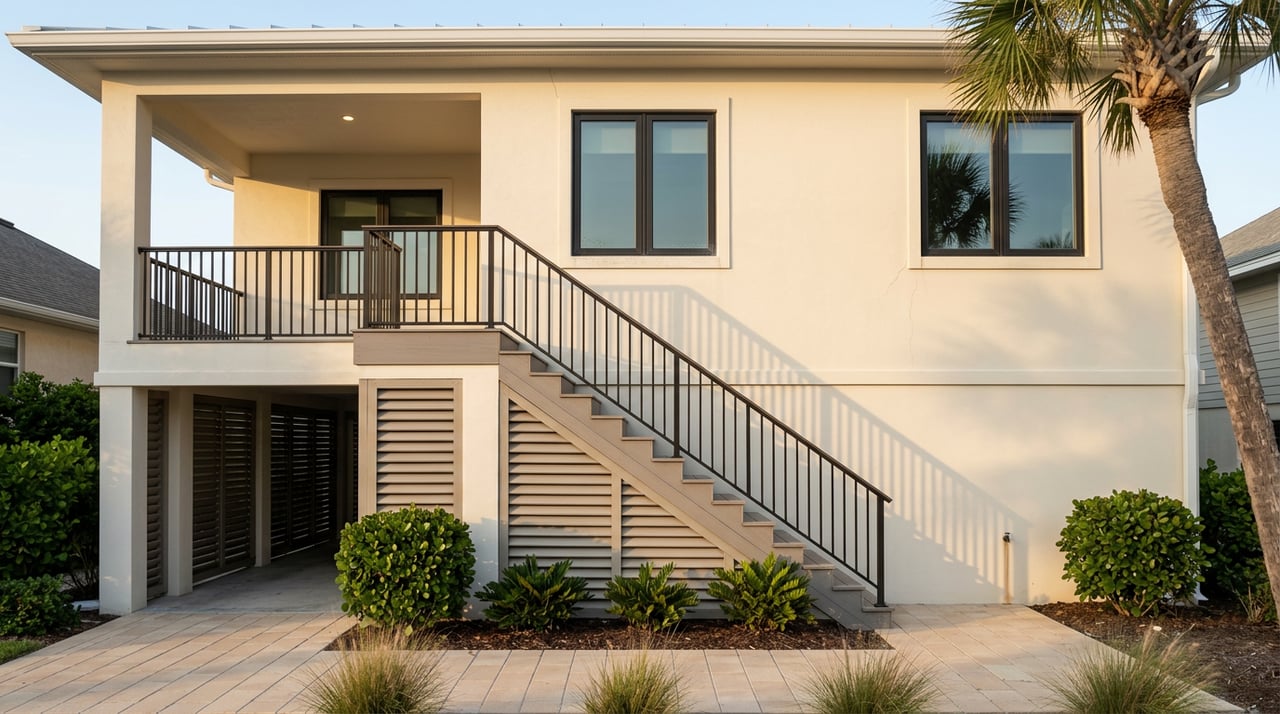
Current listing descriptions in the area show a recurring pattern. You will often see ranch-style and single-story homes with open-plan or split-bedroom layouts, along with features like screened lanais, fenced backyards, sunrooms, French doors, and space for a pool, boat, RV, or workshop.
For buyers, that matters because the bones may already fit your lifestyle. If the floor plan works and the lot gives you flexibility, your renovation budget may go further on updates like finishes, lighting, kitchens, baths, and outdoor cleanup rather than major structural changes.
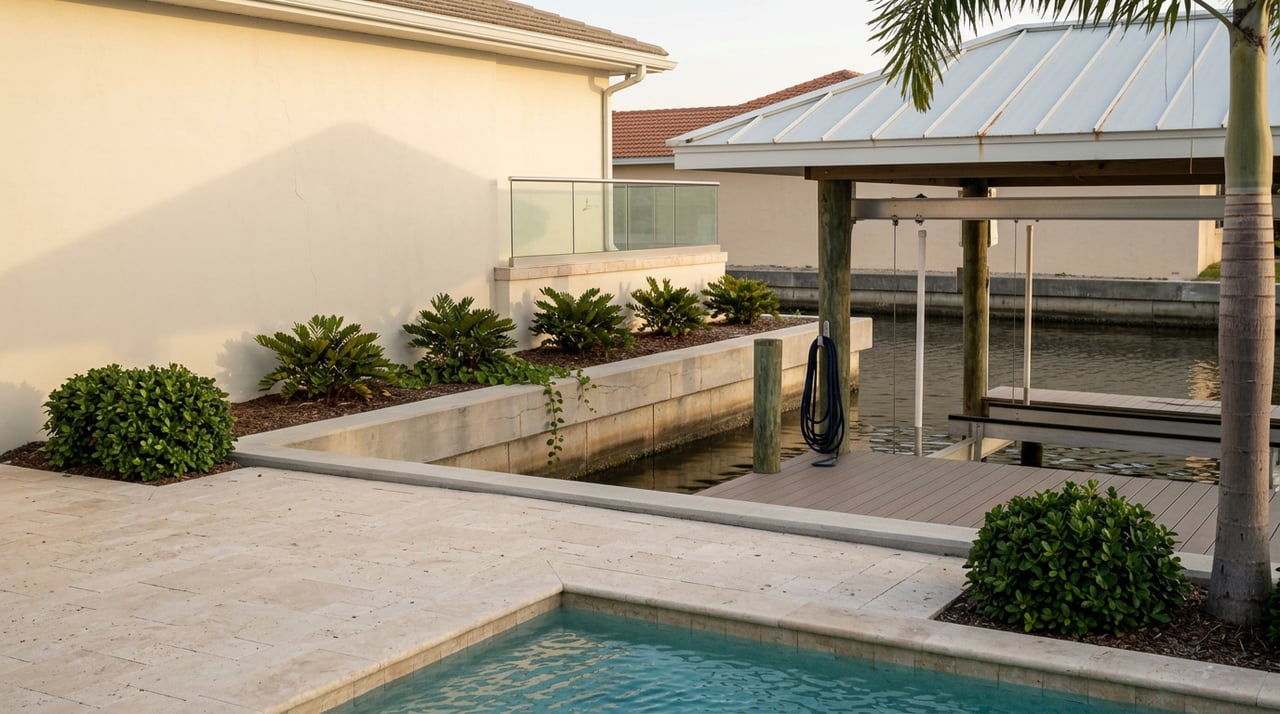
Some larger-lot properties in the broader Golden Gate area also include detached buildings or accessory structures. If you want storage, hobby space, or room for work-from-home use, those features can make site improvements and finishing work more important than adding square footage.
Best updates for resale and livability
Not every remodel delivers the same payoff. Research from the National Association of Realtors and the National Association of the Remodeling Industry found that projects with the highest homeowner satisfaction included a primary bedroom suite addition, a kitchen upgrade, and new roofing. Realtors also reported strong demand for kitchen upgrades, new roofing, and bathroom renovation.
Before listing, Realtors most often recommended painting the entire home, painting a single interior room, and installing new roofing. That lines up with what many buyers notice first when they walk into a home: condition, brightness, and whether major systems appear cared for.
Zonda’s 2025 Cost vs. Value Report adds another useful benchmark. A minor kitchen remodel averaged $28,458 in cost and $32,141 in resale value, for a 112.9% recoup rate. Wood deck additions recouped 94.9%, and composite deck additions recouped 88.5%.
In Golden Gate, the most practical upgrades are often the most visible ones:
- Fresh interior and exterior paint
- Updated kitchens with clean, functional finishes
- Refreshed bathrooms
- Improved lighting
- Roof repair or replacement when needed
- Better outdoor living areas, especially lanais and yard spaces
Because local listings often highlight screened outdoor areas, fenced yards, and pool-ready lots, practical outdoor improvements can also resonate with buyers. In most cases, modest upgrades with broad appeal are a safer bet than highly customized remodels.
How to budget a Golden Gate fixer-upper
A smart renovation plan starts with a realistic budget, not just an optimistic one. Fannie Mae renovation guidance uses a contingency reserve of at least 10% and up to 15% of total renovation costs, and allows lenders to establish up to 20%. Even if you are not using a renovation loan, that 10% to 20% range is a useful planning tool.
Why does that matter so much in Golden Gate? Older homes can hide issues behind cosmetic finishes. A simple update can turn into a larger repair once walls are opened or older systems are examined more closely.
A practical budgeting approach usually includes:
- Purchase price
- Immediate repair costs
- Planned cosmetic updates
- Permit-related costs when required
- A 10% to 20% contingency reserve
If you are trying to compare several homes, it helps to separate must-do work from nice-to-have improvements. That gives you a clearer picture of which property offers real value and which one only looks inexpensive at first glance.
Permits matter more than many buyers expect
In Collier County, permits are required if you plan to construct, enlarge, alter, repair, move, demolish, or change the occupancy of a building or structure. Permits are also required for electrical, gas, mechanical, and plumbing work regulated by the Florida Building Code, regardless of cost.
That is especially important when you are evaluating older homes. If a property has had a garage conversion, lanai enclosure, addition, detached structure, or utility changes, you should not assume the work was properly permitted just because it looks finished.
Permit history can help you understand whether past updates were documented. It can also reveal whether a home may come with added cost after closing if prior work needs correction or further review.
What to check during showings
When you tour renovation-friendly homes in Golden Gate, look beyond paint color and staging. Your best questions are usually about systems, history, and whether the home’s current condition supports your renovation goals.
Focus on these points during showings:
- How old is the roof, and was any replacement permitted?
- Is the HVAC system original or has it been replaced?
- Have the kitchen, bathrooms, garage, lanai, or detached structures been altered or converted?
- Is there documentation for prior changes?
- Does the outdoor space actually support your intended use, such as a pool, screened seating, boat parking, RV storage, or workshop space?
- Do you see signs of water intrusion, patchwork repairs, or layout changes that suggest hidden costs?
These questions can help you separate a manageable project from a money pit. In a market with many older homes, small details often tell you a lot.
Why inspections are essential in Florida
Florida home inspectors are licensed by the state. State law requires at least 120 hours of study covering the structure, electrical system, HVAC system, roof covering, plumbing system, interior components, exterior components, and site conditions that affect the structure.
Before beginning an inspection, a home inspector must provide a copy of the license and a written disclosure explaining the scope and exclusions of the inspection. For you as a buyer, that means the inspection process should be clear and structured, not casual or vague.
In Golden Gate, inspections are especially important because older homes may have a mix of original systems, partial updates, and prior alterations. A strong inspection can help you budget more accurately and negotiate with better information.
How to spot the right fixer-upper
The best renovation-friendly homes are not always the cheapest ones. Often, the better buy is a home with a functional layout, usable lot, and a short list of clear upgrades rather than a lower-priced home with uncertain systems and undocumented changes.
A strong Golden Gate fixer-upper often has:
- A layout that already works for your needs
- Cosmetic wear more than major structural change
- Outdoor space with practical potential
- A realistic path for updates
- Verifiable history on major improvements
That is where practical guidance can make a real difference. If you can match the home’s condition to your budget, timeline, and goals, you are much more likely to create value instead of chasing it.
Golden Gate can be a smart place to look if you want an older home with room for improvement near Naples. The key is staying disciplined about budget, checking permits and systems, and focusing on upgrades that improve both daily living and long-term resale. If you want help evaluating renovation potential and making sense of the numbers, Michael Kussmann can help you approach the process with clear information and practical local insight.
FAQs
What makes Golden Gate a good place to look for fixer-uppers?
- Golden Gate has older housing stock, a median owner-occupied home value of $409,700, and many homes with functional single-story layouts, which can create opportunities for buyers who are open to updates.
What renovations usually make the most sense in Golden Gate homes?
- The most practical improvements are often fresh paint, kitchen and bathroom updates, lighting improvements, roofing work, and outdoor living upgrades like cleaning up lanais and yard spaces.
What should you ask when touring a fixer-upper in Golden Gate?
- Ask about the roof age, HVAC age, prior alterations to kitchens, baths, garages, lanais, or detached structures, available permit documentation, and any signs of water intrusion or patchwork repairs.
Do you need permits for renovation work in Collier County?
- Yes. Collier County requires permits for many types of work, including building alterations and regulated electrical, gas, mechanical, and plumbing work.
Why is a home inspection important for older Golden Gate homes?
- Older homes may have aging systems, partial remodels, or undocumented changes, so a licensed Florida home inspection can help you identify issues and estimate repair needs before you close.
How much contingency should you plan for a Golden Gate renovation?
- A practical planning range is 10% to 20% of renovation costs, which can help cover unexpected issues that are common in older homes.