Thinking about a Marco Island condo with sweeping Gulf views? Before you picture sunrise coffee on the balcony, learn how special assessments can surprise even careful buyers. You want clarity on what these assessments are, why they happen, and how to spot risk before you write an offer. In this guide, you’ll learn the key documents to review, red flags to look for, the right questions to ask, and smart contract protections that fit Florida condos. Let’s dive in.
What a special assessment is
A special assessment is a one-time or limited-term charge that a condo association bills owners when regular fees and reserves are not enough to cover expenses. Associations typically use them for major repairs, emergency structural work, hurricane damage deductibles, litigation costs, or large projects not covered in the current budget. They can be spread over several payments or due in a lump sum. The amount depends on the project scale and how many units share the cost.
Why Marco Island condos see more risk
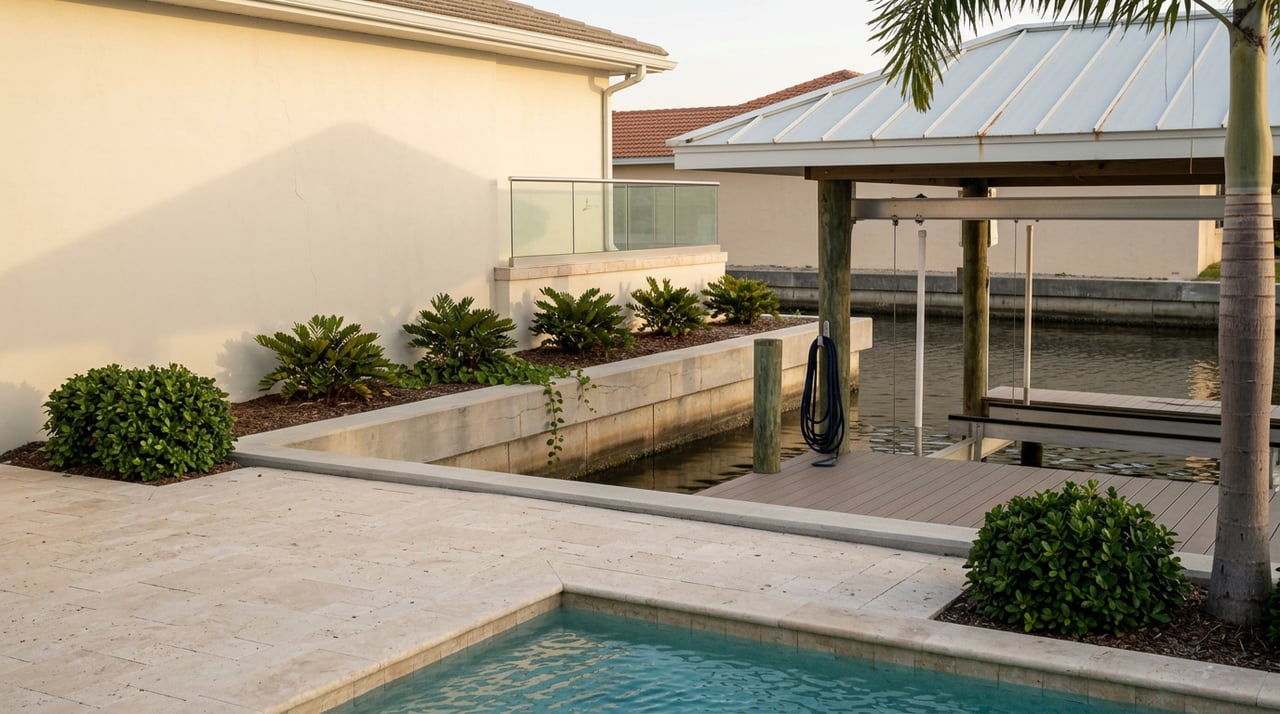
Gulf-front living is beautiful, but coastal conditions create extra wear and cost. Salt air accelerates concrete and rebar corrosion, especially on balconies and structural slabs. Seawalls, bulkheads, pilings, and dock systems also need periodic, expensive work.
Hurricane exposure raises the chance of large insurance claims and deductibles. Many towers on Marco Island were built decades ago, which means concrete restoration, balcony and envelope repairs, plumbing upgrades, roof work, and elevator modernization are common. Insurance market volatility, including higher premiums and deductibles, can also push associations toward assessments.
How special assessments arise
- Reserve shortfalls. Reserves may be underfunded or depleted by past projects. If a reserve study is outdated or contributions are too low, a major project can force an assessment.
- Unanticipated failures. Sudden seawall issues, structural concrete spalling, or roof damage can exceed available funds.
- Large planned projects. Roof replacement, full concrete restoration, exterior painting, or elevator modernization often cost more than current reserves.
- Insurance events and deductibles. After a storm, payouts may not cover full replacement, and named-storm deductibles can be large across the building.
- Litigation or settlements. Legal costs or contractor disputes can lead to additional owner charges.
- Regulatory or municipal orders. Structural inspections and code compliance can require immediate, costly remediation.
Documents to request early
Ask for these items as soon as you get serious about a building. You want a clear picture before you craft your offer.
Financials and reserves
- Current year adopted operating budget.
- Last 2 to 3 years of audited or reviewed financial statements.
- Current reserve fund balance and a ledger of recent reserve expenditures.
- Schedule of reserve contributions by component.
Reserve study
- Most recent reserve study or update with component list, useful life, remaining life, and projected costs.
- Note the date and whether it is a full study or a light update.
Meetings and minutes
- Last 12 to 24 months of board and owners’ meeting minutes and board packets.
- Watch for discussion of bids, engineering reports, contractor selection, and possible special assessments.
Engineering and structural reports
- Any recent structural, coastal, or building envelope evaluations.
- Specific interest in seawalls, pilings, concrete restoration, and elevator systems.
Insurance documentation
- Master policy declarations page with limits, covered perils, and deductible amounts.
- Renewal notices showing recent premium increases.
Governing documents and legal matters
- Declaration, bylaws, and rules regarding assessment approvals and notice requirements.
- Estoppel certificate or status letter confirming dues and any pending assessments.
- List of litigation history and pending claims.
Maintenance and capital projects
- Bids, contracts, and timelines for upcoming projects.
- History of major projects in the last 5 to 10 years and whether they finished on budget.
Owner and occupancy data
- Owner-occupancy versus rental percentages.
- Delinquency rate for assessment payments.
Read the numbers like a pro
Use the reserve study and financials to understand risk, not just current fees.
- Reserve balance vs. needs. Red flag: a reserve study shows large replacements due within 1 to 5 years, but the reserve balance covers only a small slice of projected costs.
- Operating deficits. If the association covers shortfalls by pulling from reserves, risk is higher.
- Repeated assessments. Multiple special assessments in recent years can signal chronic underfunding or frequent emergencies.
- Meeting minutes. Notes about cost overruns, change orders, or emergency measures point to possible future assessments.
- Insurance exposure. High named-storm deductibles or policy non-renewals raise the chance of large owner charges after a storm.
- Structural findings. Reports on concrete spalling, rebar corrosion, structural cracks, or failing seawalls suggest significant capital work ahead.
- Participation and delinquencies. Low owner engagement and high delinquency rates reduce cash flow and stability.
Florida process and local checks
Approval rules for special assessments are set by the association’s declaration and bylaws, with procedures guided by Florida’s Condominium Act. Voting thresholds and notice periods can vary by building, so read the documents closely. If needed, consult an attorney for a focused review.
Local inspection and recertification requirements also matter. Many Florida jurisdictions require structural recertification for older high-rises at set intervals. Confirm with local building authorities whether any recertification or municipal orders apply to the building you are considering.
An estoppel certificate is critical for buyers. It confirms dues, any unpaid assessments, and any pending or approved special assessment. Ask for a current estoppel and build time into your contract for review. Be aware that some documents allow the board to levy emergency assessments on short notice.
Smart questions to ask before you offer
Start with the essentials, then drill down.
Essential financial questions
- Are any special assessments pending or planned? What is the amount, purpose, payment schedule, and voting requirement?
- What is the current reserve balance and the projected needs over 1, 3, and 5 years based on the latest reserve study?
- When was the last reserve study completed and by whom?
- Have reserves been used in the last 3 to 5 years? For what projects and how much?
- What is the delinquency rate for owner assessments?
Document and project questions
- Can I review the last 12 to 24 months of minutes, the latest audited financials, and the current budget?
- Are there current engineering or structural reports? Have any municipal inspections been performed and what were the findings?
- Do you have current bids or signed contracts for major projects with full cost estimates and contingencies?
- Are there any pending claims or litigation, or recent large insurance claims?
Insurance and hurricane risk
- What are the master policy deductibles for named storms and for wind or hail? Have deductibles increased recently?
- Has the association had difficulty renewing its policy or experienced large premium increases?
Governance and voting
- What are the voting thresholds for special assessments and major projects?
- Can the board levy emergency assessments without an owner vote?
Practical transaction logistics
- How long does it take to issue an estoppel and what is the fee?
- Can the seller provide proof of completed maintenance or permits required by local authorities, if any?
Protect yourself in the contract
You can write an offer that gives you time and leverage to review the association’s health.
- Document review contingency. Make your offer subject to timely review of the budget, reserve study, minutes, engineering reports, and insurance documents, with a right to cancel if you find a material issue.
- Estoppel contingency. Require a current estoppel that discloses any pending assessments and gives you the right to cancel if unacceptable.
- Assessment cap contingency. Consider a clause that lets you cancel if a new assessment above a stated dollar amount is levied before closing.
- Financing contingency tied to assessments. If an assessment is revealed, allow time to adjust financing or cancel.
Ask your real estate attorney to draft or review specific language for Florida condominium transactions.
Typical cost drivers on Marco Island
Costs vary by building size and scope, but a few projects tend to dominate budgets:
- Concrete restoration and structural repairs. Often the largest line item for older towers.
- Seawalls and pilings. Coastal systems can require major capital work and permitting.
- Roof replacement and amenity repairs. Pools, decks, and common areas add up.
- Elevator modernization. Many towers have multiple elevators, each requiring upgrades.
- Hurricane repairs and deductibles. Association deductibles tied to named storms can be large.
- Code or recertification compliance. Work depends on inspection findings.
When to pause or walk away
Some findings should trigger deeper investigation or a shift to another building.
- Recent engineering report identifies major structural issues without a funded plan.
- Minutes show repeated emergency repairs, contractor disputes, or unpaid bills.
- Reserve study reveals near-term big-ticket items with reserves covering only a small fraction.
- Estoppel discloses a pending assessment or multiple unresolved insurance claims.
- Insurance non-renewal history or very large premium spikes.
- High delinquency rates or a pattern of frequent assessments.
Next steps for Marco Island condo tours
- Request the full document set as early as possible so you can analyze before negotiating.
- Hire a qualified inspector and review any engineering reports closely. Consider an independent engineering opinion if issues appear.
- Ask the association for a 3-year plan of upcoming projects and funding.
- Include document and estoppel contingencies so you can cancel or renegotiate based on what you learn.
- Work with a real estate attorney familiar with Florida condo law for document review and contract terms.
Work with a local advocate
Buying a Marco Island condo can be a smart move if you understand the building’s true condition and budget. You deserve clear answers on reserves, insurance, and upcoming projects, plus an offer strategy that protects your interests. If you want hands-on guidance and renovation-informed insight while you compare towers and HOA budgets, connect with a local pro who does this every day.
Ready to shop condos with confidence? Reach out to Michael Kussmann for practical advice, document checklists, and a negotiation plan that fits your goals.
FAQs
What is a condo special assessment on Marco Island?
- It is a one-time or time-limited charge billed by the association when regular fees and reserves are not enough to pay for major repairs, storm-related costs, or large projects.
Why are Gulf-front towers more likely to levy assessments?
- Coastal exposure accelerates corrosion and concrete wear, seawalls and docks need capital work, hurricanes raise damage and deductibles, and many towers are older with big replacement needs.
Which documents reveal assessment risk before I buy?
- Review the current budget, audited financials, reserve study, meeting minutes, engineering reports, insurance declarations, governing documents, and a current estoppel certificate.
What red flags in minutes and reports should I watch for?
- Notes on emergency repairs, cost overruns, contractor disputes, structural spalling or rebar corrosion, seawall failure, and mention of pending or proposed special assessments.
How do insurance deductibles affect me as a buyer?
- High named-storm deductibles can lead to large owner charges after a hurricane, so you should confirm deductible amounts and recent insurance renewal history.
What contract contingencies help protect my purchase?
- Include document review and estoppel contingencies, consider an assessment cap, and tie financing to assessment disclosures so you can renegotiate or cancel if needed.